

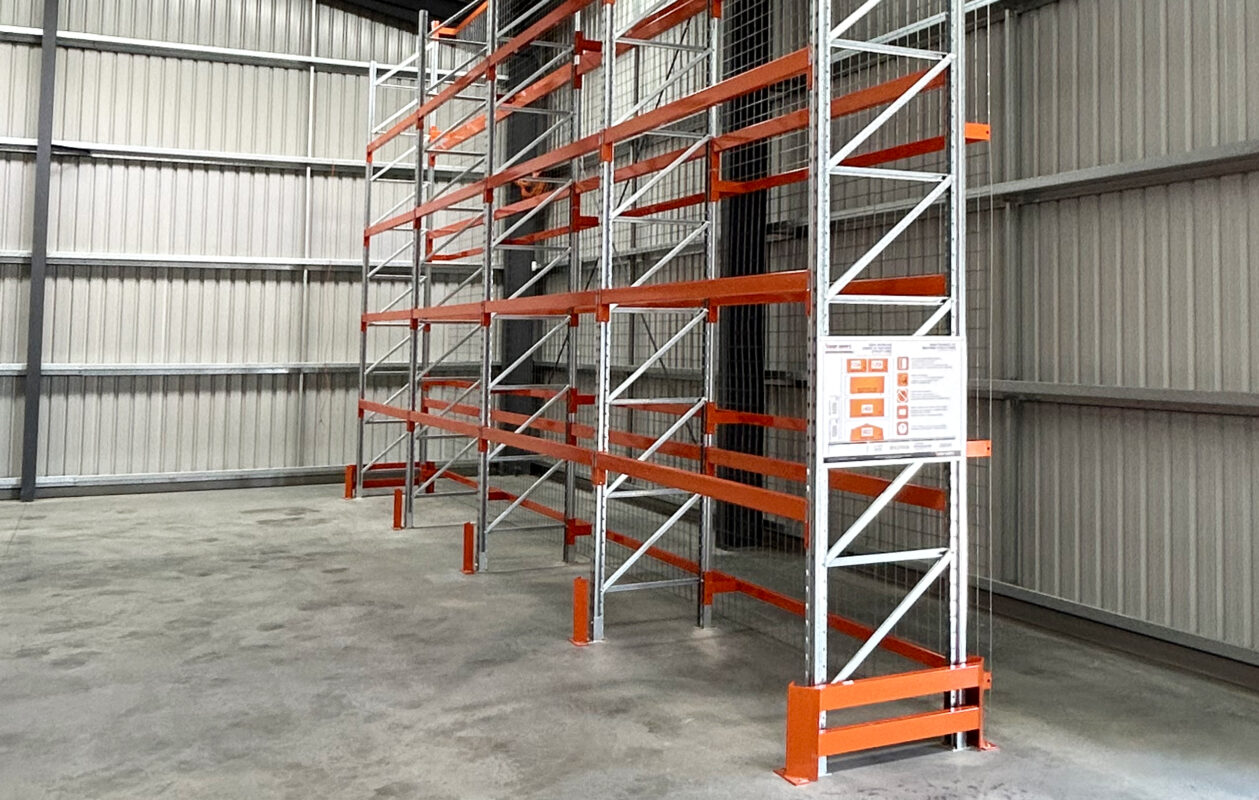
+ KEEP YOUR RACKING SAFE & UP TO DATE…
Comprehensive Racking Inspection & Audit Services
AS 4084.2:2023 sets out requirements for the safe operation, inspection and maintenance of steel storage racking. For businesses using machine-loaded pallet racking, ongoing safety involves more than an annual inspection. Racking should be correctly used, regularly monitored and maintained throughout its working life.
This guide provides a practical overview of key operational requirements.
It does not replace the Australian Standard or site-specific professional advice.
Request a Racking Inspection

THE ESSENTIALS AT A GLANCE
● Use racking within its designed load capacity
Never exceed the Safe Working Load shown on the load signage.
● Keep load signs current and visible
Signage should reflect the current racking configurations
● Report damage when it occurs
Forklift impacts and other damage shouldn’t wait for the annual inspection.
● Don’t alter racking without appropriate review
Moving beams or changing configurations can affect capacity and safe operation.
● Carry out ongoing inspections
Regular workplace inspections complement the formal inspection process.
● Arrange a formal inspection annually
Formal inspections are required at intervals not exceeding 12 months.

RACKING DESIGN & LAYOUT
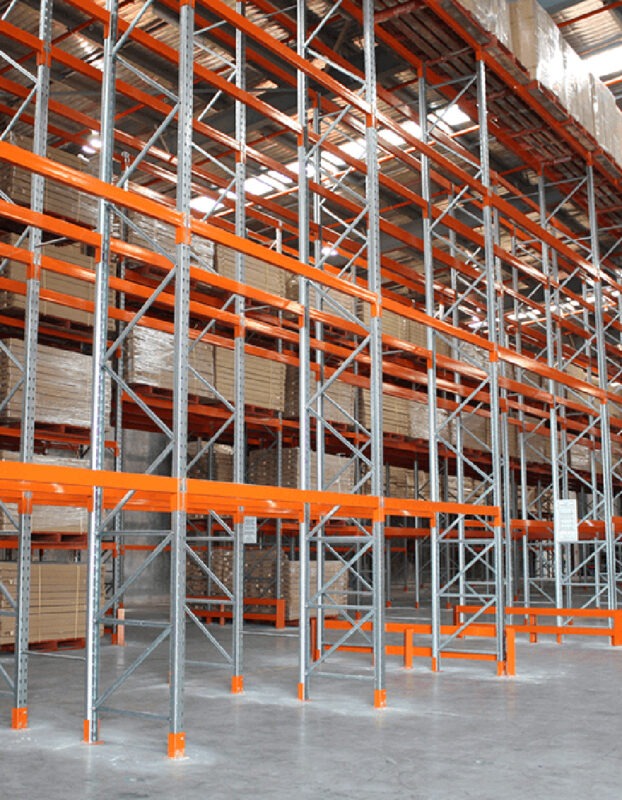
Racking should be designed for the size, shape and weight of the loads being stored and installed and maintained in accordance with its design requirements.
The layout should also suit the material handling equipment being used, including appropriate aisle widths and operating clearances. Racking should not be attached to a building unless appropriately designed and approved.

WORKING LOAD LIMITS
Every racking system has specific load limits that must not be exceeded. These include the maximum unit load, shelf load and total rated capacity of each bay.
Safe Working Load information should be clearly displayed and understood by anyone loading or using the racking.
Learn more about Rated Capacity
SAFE USE OF YOUR RACKING
Load racking correctly and within its specified capacity. Loads should be stable, appropriately positioned and suitable for the racking and pallets being used.
Staff operating around racking should understand the applicable load limits and safe operating requirements.

PROTECT RACKING FROM IMPACT
Where racking is exposed to potential impact from forklifts or other material handling equipment, appropriate protection may be required to help minimise damage. Upright protectors, rack-end protection, barriers and bollards can form part of the overall warehouse safety system.
View Racking Protection Equipmemt
KEEP LOAD SIGNS UP TO DATE
Your racking configuration and load signage need to agree. Review your load signage if beams are moved, levels are added or removed, the type of loads has changed, the configuration has changed, or signs are missing, damaged or illegible.

DON’T MODIFY RACKING
Moving a beam might look like a simple adjustment, but changes to the configuration of a racking system can affect. Before making alterations, appropriate consideration should be given to the original design and configuration.

DAMAGE NEEDS TO BE REPORTED
Racking can be damaged during everyday operations, particularly through impacts from forklifts and material handling equipment. Report damage such as impact damage, bent uprights, damaged beams, loose fixings, missing safety locks and other visible issues.
What to do if damage is found
INSPECTIONS
Racking inspections aren’t just annual.
● Day to day awareness
– report damage or unsafe conditions when noticed.
● Regular workplace inspections
– part of ongoing safety and maintenance procedures.
● Formal inspections
– by a competent person at intervals not exceeding 12 months.

DAMAGE CLASSIFICATIONS
A formal inspection may classify identified damage according to the level of risk and action required.
understanding racking damage & risk classifications
WHAT TO DO IF DAMAGE IS FOUND
If racking damage is identified, it should be assessed and appropriate action taken based on the level of risk. Damaged components should be repaired or replaced using suitable components and approved methods.
| DON’T | DO | ||
| ✕ | Straighten damaged uprights yourself | ✓ | Isolate serious damage |
| ✕ | Weld or modify components without approval | ✓ | Have damage assessed |
| ✕ | Ignore damaged components because the rack is still standing | ✓ | Use appropriate replacement components |
| ✓ | Record repairs and rectification | ||

KEEP RECORDS
Keep relevant documentation to demonstrate your racking is being managed safely.
- formal inspection reports
- records of identified damage
- repair and rectified records
- current racking layouts / design information
- Safe Working Load information
- records of significant alterations

WHO IS RESPONSIBLE?
Racking safety is an ongoing responsibility.
| Business / Site Management | Maintain systems, inspections, records and appropriate procedures. |
| Warehouse Supervisors | Monitor use, respond to reported damage and ensure issues are addressed. |
| Forklift / Warehouse Operators | Use the racking appropriately and report impacts or visible damage. |
| Competent Inspector | Undertake formal inspections and assess identified issues. |

GLOSSARY
Not sure what something means? Visit our glossary for plain English explanations of racking terms and components.
Visit the Racking GlossaryNeed help with your racking?
Whether you’re unsure about damage, load signage, alterations or your next formal inspection, our team can help you determine the appropriate next step.
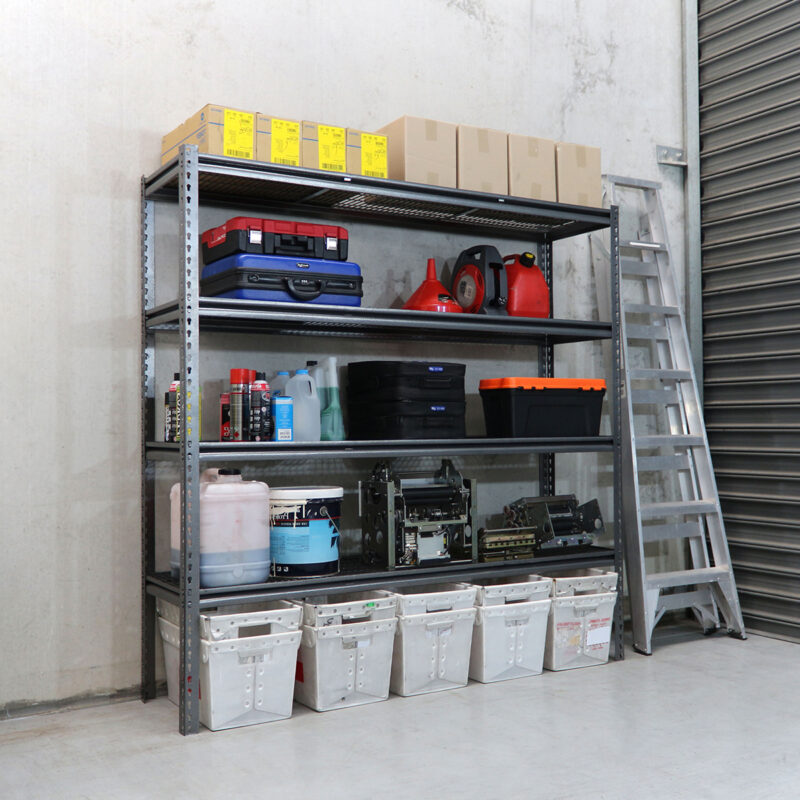
Shop Our Range Online.
From warehouse to workspace… we’ve got you sorted!


Lockers & Pigeon Holes

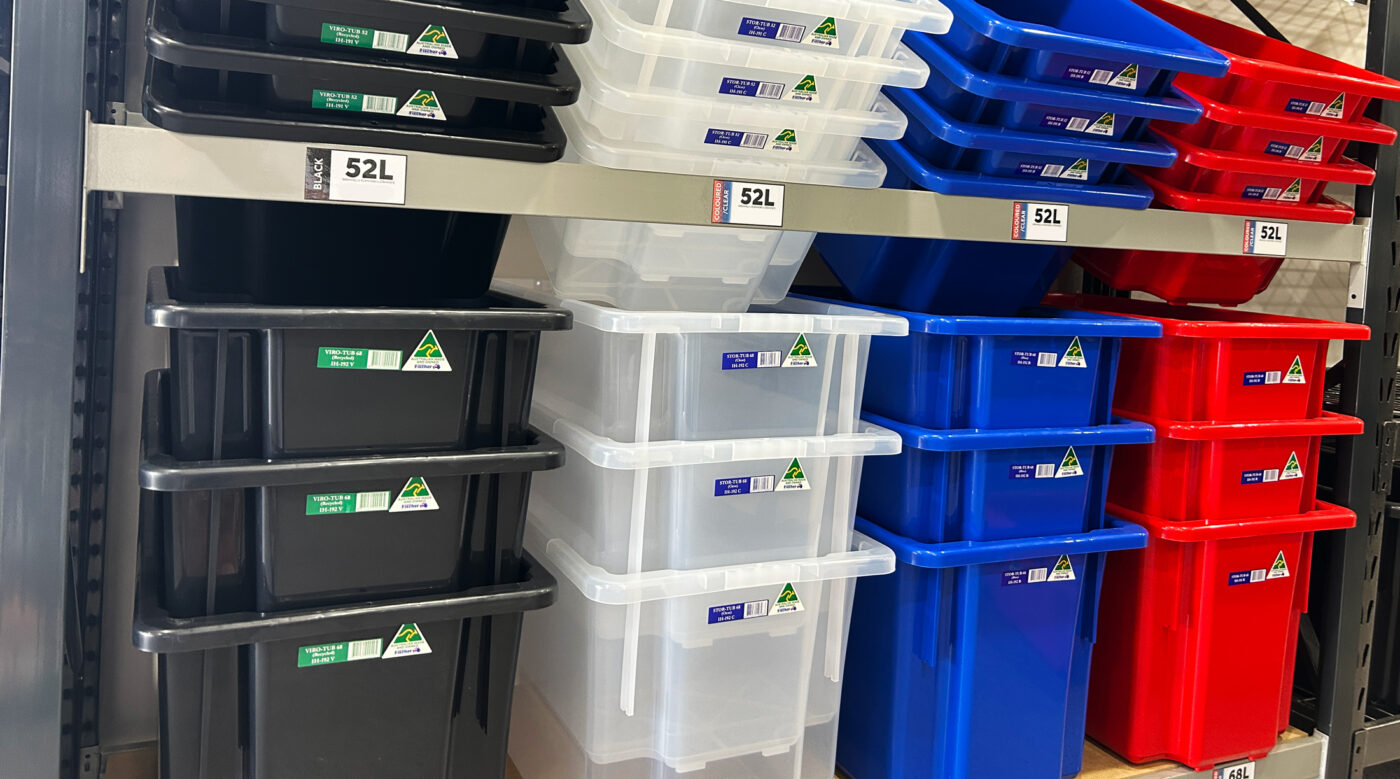
Plastic Storage

Lockers & Pigeon Holes

Flatpack Shelving

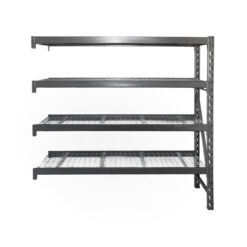
Flatpack Shelving
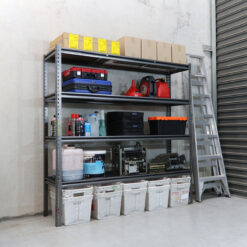
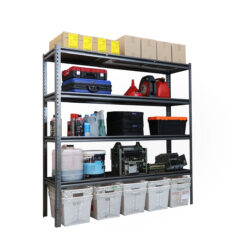
Flatpack Shelving
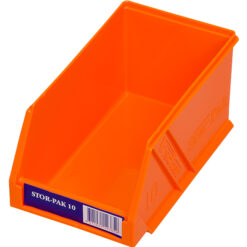
Plastic Storage

Cabinets & Cupboards